

Outdoor cats are a part of nearly every neighborhood, whether you live in a quiet suburban development, a busy city block, or a rural farming area. But not all outdoor cats are the same, and understanding the difference between stray and feral cats is essential for providing proper care, ensuring public safety, and supporting animal welfare efforts. While these cats may appear similar at first glance, their backgrounds, behaviors, needs, and adoptability are remarkably different.
This in-depth guide explains those differences clearly and compassionately—helping you support outdoor cats the right way.
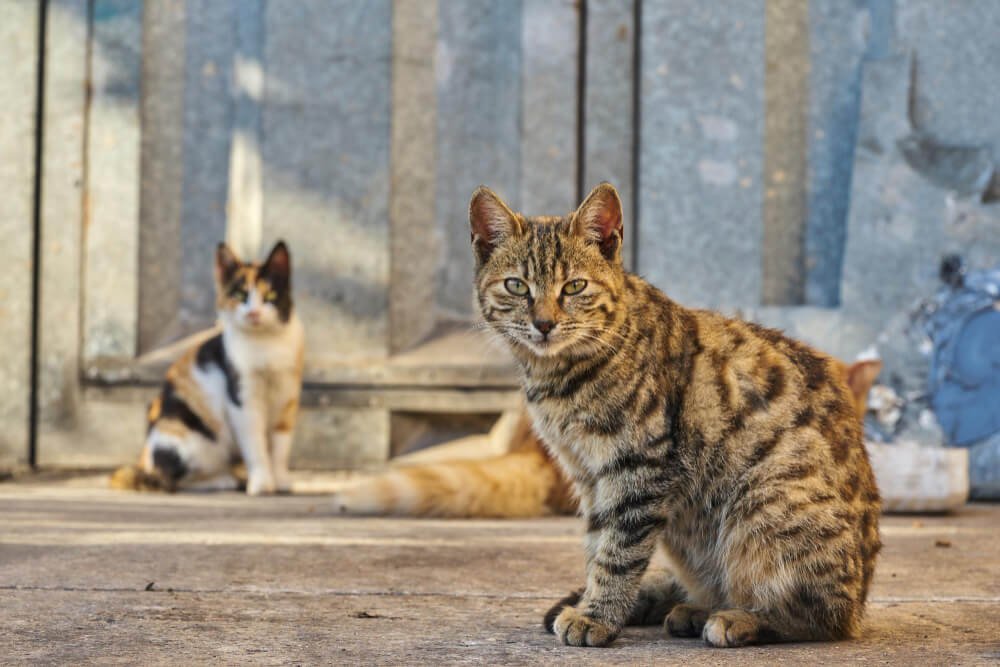 Introduction to the difference between stray and feral cats
When you spot a cat outdoors, your first instinct might be to assume it’s lost or needs a home. The truth is more complex. Many outdoor cats are actually part of established colonies, and some are quite healthy and well-adapted to outdoor life.
Understanding the difference between stray and feral cats makes it easier to determine whether a cat needs rescue, rehabilitation, or support exactly where it already lives.
Definitions & Origins
What Is a Stray Cat?
A stray cat is a domesticated cat who previously lived with humans but now lives outdoors due to:
-
Being lost
-
Being abandoned
-
Wandering away from home
-
Owner death or relocation
Strays often retain some level of trust in people, even after months—or years—outside.
What Is a Feral Cat?
A feral cat is generally a cat born and raised outdoors with little or no exposure to humans. They are unsocialized and perceive people as predators. Feral cats typically belong to colonies, survive through instinctive hunting, and avoid contact whenever possible.
Behavioral Differences Explained Through Feline Psychology
Socialization Levels
-
Stray cats: Learned human interaction early in life and may remember positive experiences.
-
Feral cats: Never learned human bonding and rely on survival instincts.
Body Language Cues
Stray cats display:
-
Upright, relaxed tails
-
Direct or curious eye contact
-
Approaching behavior
Feral cats often show:
-
Tucked tails and lowered bodies
-
Dilated pupils
-
Ears angled back
-
Retreating or hiding immediately
Vocalization Patterns
-
Strays meow because meowing is a learned method of communicating with humans.
-
Ferals rarely meow; they stay silent to avoid attracting predators.
Physical Differences Between Stray and Feral Cats
Coat Condition
Strays commonly appear:
-
Cleaner
-
Better groomed
-
Less muscular due to previous indoor life
Ferals often appear:
-
Rougher or dirtier
-
More muscular
-
With visible scars from territorial fights
Scars, Injuries & Musculature
Feral cats develop stronger back legs from constant climbing, running, and hunting. Scars on the face or nose bridge often indicate a cat has fought for food or territory.
Habitat, Territory & Colony Structure
Stray Cat Routines
Stray cats tend to behave like lost pets:
-
Staying near homes
-
Approaching porches and people
-
Sleeping on decks, cars, or patios
Feral Colony Hierarchy
Feral colonies often have:
-
Shared feeding and resting areas
-
Predictable routines
-
Alpha cats who defend the territory
-
Cooperative mother cats who raise kittens together
Colonies form naturally around food sources like dumpsters, barns, or feeders.

Identifying a TNR Ear-Tip (Major Indicator)
What Ear-Tipping Means
Ear-tipping is the universal symbol of a TNR cat. Veterinarians painlessly remove ¼ inch from the left ear during spay/neuter surgery while the cat is under full anesthesia.
An ear-tipped cat is:
-
Neutered or spayed
-
Vaccinated
-
Part of a managed colony
-
Not a candidate for removal or adoption
Why Ear-Tipping Saves Lives
Ear-tipping prevents:
-
Repeated trapping
-
Unnecessary vet procedures
-
Euthanasia in shelters
-
Colony overpopulation
It is the most important marking system in community cat care.
Health Differences & Medical Vulnerabilities
Exposure Risks
Stray and feral cats may face:
-
Fleas, ticks, and mites
-
Upper respiratory infections
-
Worms
-
FIV/FeLV
-
Malnutrition
But ferals often go untreated longer, increasing severity.
Lifespan Differences
-
Stray cats: 8–12 years (if rehomed), 3–6 years outdoors
-
Feral cats: 3–5 years outdoors with no colony support; 8–10 years in managed colonies
Adoption Potential & Human Interaction
Stray Cat Rehabilitation
Stray cats can often be adopted after:
-
Health checks
-
Basic socialization
-
Trust-building exercises
Many rebound quickly because they remember human care.
Feral Cat Limitations
Adult ferals usually:
-
Cannot adjust to indoor living
-
Experience extreme stress inside homes
-
Do best in their outdoor colonies
Only feral kittens under ~8 weeks old can typically be fully socialized.
Trap-Neuter-Return (TNR): The Gold Standard
How TNR Works Step-by-Step
-
Trap: Humane trap with bait
-
Transport: Covered trap reduces stress
-
Clinic: Spay/neuter, vaccines, ear-tip
-
Recovery: 24–48 hours
-
Return: Cat returns to familiar territory
-
Manage: Provide food, water, shelters
Community Benefits
-
Reduces population growth
-
Prevents mating behavior (fighting, yowling, spraying)
-
Improves colony health
-
Decreases shelter intake
Learn more from Alley Cat Allies: https://www.alleycat.org
How the Public Can Help
If You Find a Stray Cat
-
Check for a microchip
-
Post online to reunite with owners
-
Offer temporary shelter
-
Bring to a vet if injured
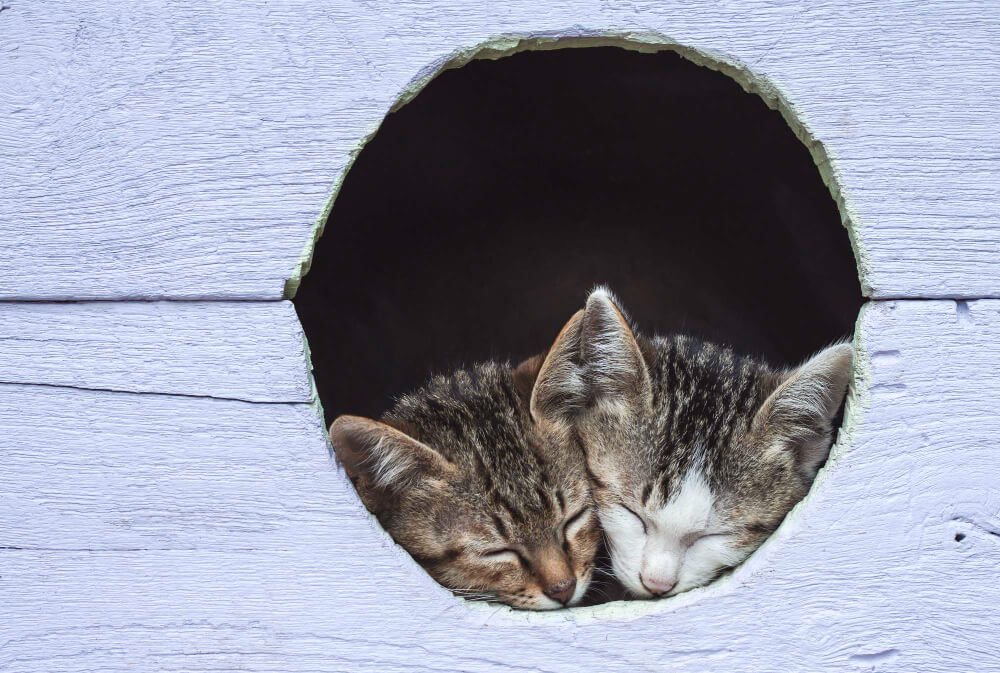 If You Want to Help a Feral Colony
-
Provide insulated shelters – Step by Step DIY info provided here 👉 Building a Warm Shelter for Feral and Stray Cats
-
Offer consistent feeding
-
Assist with or donate to TNR programs
-
Avoid relocating cats—it’s often lethal
FAQs About the difference between stray and feral cats
1. Is ear-tipping painful for cats?
No, it’s done under anesthesia during spay/neuter surgery.
2. Can a feral cat become friendly?
Rarely—adult ferals typically remain unsocialized.
3. Do stray cats remember their owners?
Yes, many strays show recognition even after long periods.
4. Do feral cats live in groups?
Yes, feral colonies have social structures and shared territories.
5. Should I bring a feral cat indoors?
No—this causes severe stress. Outdoor management is best.
6. What’s the best way to help outdoor cats?
Support TNR programs and provide safe resources.
Conclusion
Understanding the difference between stray and feral cats helps us make kind, informed choices. Stray cats benefit from rescue and adoption, while feral cats thrive through TNR and managed colony support. When we respond appropriately, we protect cat lives and strengthen our communities.